Poverty remains one of the most pressing challenges in Nigeria, affecting millions of households across urban and rural communities. At the heart of this challenge is the limited economic participation of women. Women empowerment is not merely a social ideal; it is a proven and sustainable tool for poverty reduction. When women are empowered with education, skills, and opportunities, entire families and communities benefit.
Women make up nearly half of Nigeria’s population, yet many are excluded from formal employment, financial systems, and decision-making processes. Addressing poverty without empowering women leaves a significant gap in national development efforts.
Understanding Women Empowerment
Women empowerment refers to equipping women with the knowledge, skills, resources, and confidence needed to make informed decisions about their lives. This includes access to education, vocational skills, financial inclusion, healthcare, and leadership opportunities.
Empowered women are more likely to invest in their families’ well-being, support their children’s education, and contribute productively to the economy. According to the World Bank, increasing women’s economic participation significantly reduces household poverty and boosts national growth.
World Bank – Women and Economic Empowerment – https://www.worldbank.org/en/topic/gender
How Women Empowerment Reduces Poverty
- Economic Independence
Skills training and entrepreneurship programs enable women to earn stable incomes. When women generate income, households experience improved nutrition, healthcare access, and financial stability. - Improved Family Welfare
Empowered women prioritize education and healthcare for their children, breaking the intergenerational cycle of poverty. - Community Development
Women-led businesses often create local employment opportunities, stimulating community economies and reducing dependency. - Reduced Vulnerability
Financially empowered women are less exposed to exploitation, early marriage pressures, and domestic abuse, enabling safer and more resilient communities.
United Nations – Women and Poverty – https://www.unwomen.org/en/what-we-do/economic-empowerment/facts-and-figures
The Nigerian Context
In Nigeria, many women face barriers such as limited education, cultural norms, lack of access to capital, and unemployment. Rural women, in particular, are disproportionately affected by poverty.
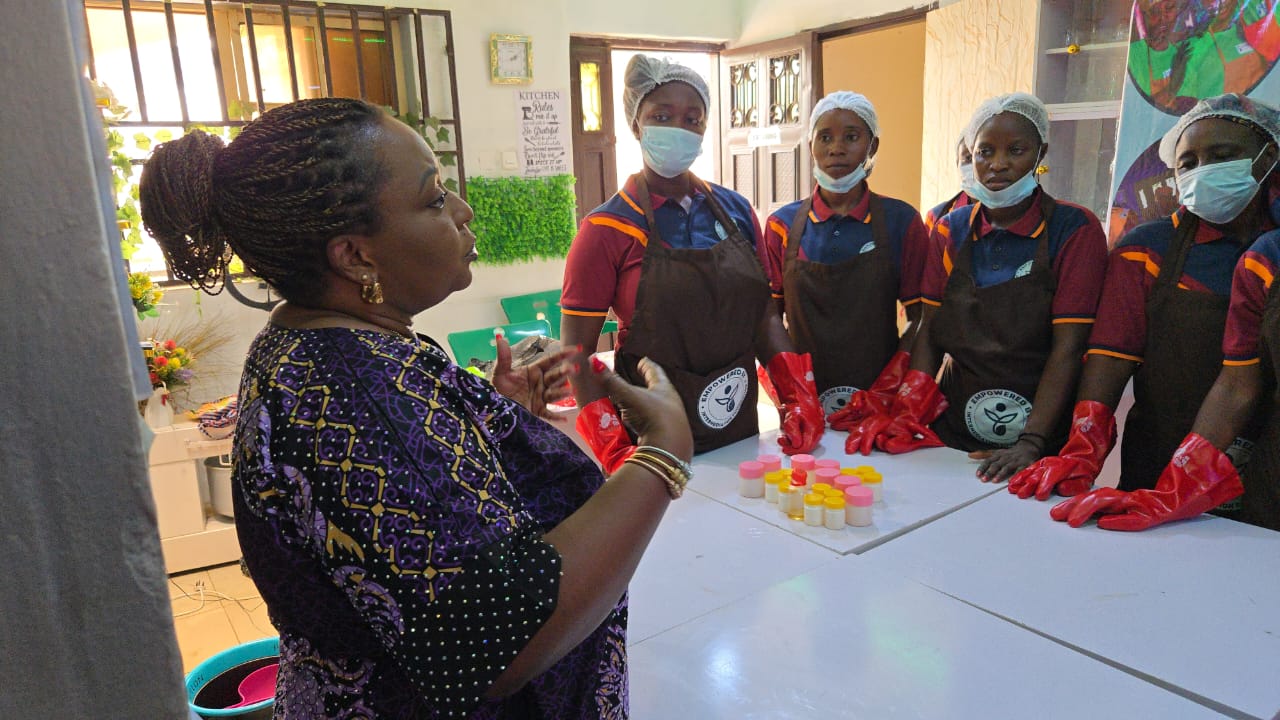
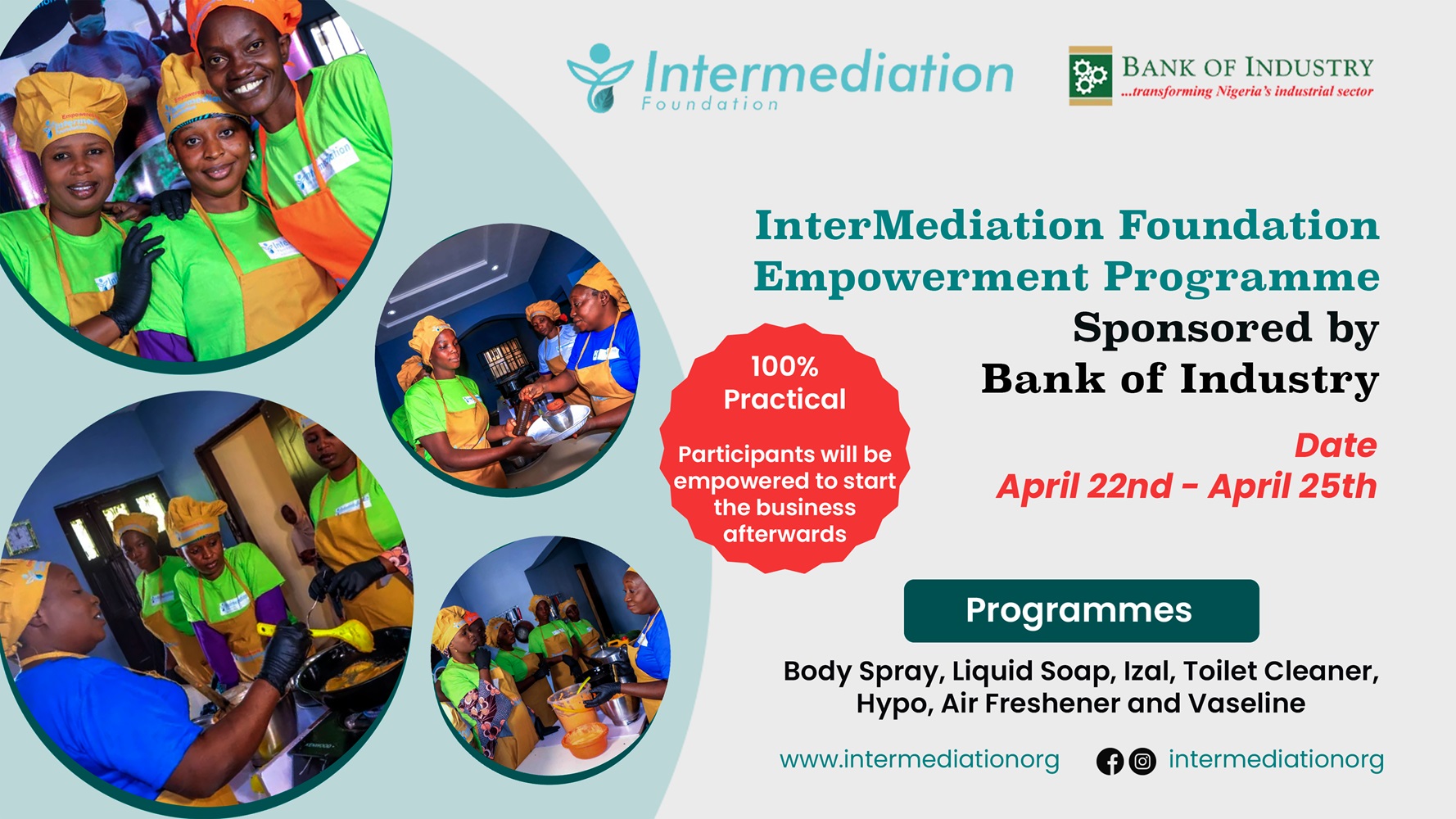
Empowerment initiatives focused on vocational skills, small-scale enterprise support, and financial literacy have shown measurable impact. Programs that teach soap making, tailoring, farming, food processing, and other marketable skills help women generate income quickly and sustainably.
According to UNDP Nigeria, empowering women is one of the fastest ways to reduce poverty and achieve sustainable development goals.
UNDP Nigeria – Gender Equality and Women Empowerment
Our Role in Empowering Women
At InterMediation Foundation, women empowerment is central to our mission. Through structured skills training, counseling, and starter-pack support, we help women transition from dependency to independence.
Our programs focus on:
- Vocational and skills training
- Entrepreneurship support
- Financial empowerment
- Psychosocial rehabilitation
- Community awareness and advocacy
By empowering women, we are not only restoring dignity but also creating pathways out of poverty for families and communities.
Learn more about our empowerment programs on our Services page.
How You Can Support Women Empowerment
Ending poverty requires collective action. You can be part of the solution by:
- Sponsoring skills training programs for women
- Partnering with us on empowerment initiatives
- Donating equipment or startup resources
- Advocating for women-inclusive development policies
When women rise, communities thrive.
Conclusion
Women empowerment is one of the most effective tools for poverty reduction in Nigeria. Investing in women means investing in families, communities, and the nation’s future. Sustainable development cannot be achieved without empowering women economically and socially.
Together, we can reduce poverty by giving women the tools they need to succeed.
FAQs
How does women empowerment reduce poverty?
By enabling women to earn income, make decisions, and invest in their families’ welfare, empowerment directly improves household economic stability.
What skills help women escape poverty fastest?
Vocational skills such as soap making, tailoring, food processing, agriculture, and small-scale trading provide quick income opportunities.
Why focus on women instead of only men?
Empowered women tend to reinvest earnings into their families and communities, creating broader social and economic impact.
How can individuals or organizations get involved?
By supporting empowerment programs through funding, partnerships, training support, or advocacy.
Post a comment
Related Posts

August 20, 2026
World Mosquito Day: Protecting the Health of the Women, Girls and Communities We Serve
World Mosquito Day is more than a health observance for IMFN. Discover how mosquito prevention…

June 22, 2026
The Relationship Between Healthy Meals, Proper Blood Flow, and Pregnancy
Learn how healthy meals improve blood circulation during pregnancy, supporting your baby's growth, maternal health,…

June 13, 2026
The Importance of Antenatal Care in Preventing VVF
Learn how antenatal care helps prevent VVF in Nigeria through early risk detection, health education,…

March 16, 2026
From Survivor to Entrepreneur: Empowerment Stories of Women in Nigeria
women empowerment stories Nigeria, VVF survivors empowerment, skills training for women, women entrepreneurship Nigeria