Introduction
Vesico Vaginal Fistula (VVF) remains one of the most preventable childbirth-related injuries affecting women in Nigeria and many developing countries. Although significant progress has been made in maternal healthcare, many women still experience prolonged obstructed labour and other complications that can lead to VVF.
One of the most effective ways to prevent VVF is through regular and quality Antenatal Care (ANC). Antenatal care provides expectant mothers with the medical attention, education, and support they need throughout pregnancy, helping healthcare providers identify and manage risks before they become life-threatening complications.
This article explores the crucial role of antenatal care in preventing VVF and promoting safer pregnancies and childbirth experiences.
Understanding VVF
What is Vesico Vaginal Fistula?
VVF is an abnormal opening between the bladder and the vagina that causes continuous and uncontrollable leakage of urine. It often occurs as a result of prolonged obstructed labour when emergency medical intervention is unavailable or delayed.
Beyond the physical effects, VVF can lead to:
- Social isolation
- Emotional trauma
- Loss of income
- Marital challenges
- Reduced quality of life
The good news is that most cases of VVF can be prevented through access to quality maternal healthcare services.
What is Antenatal Care?
Definition of Antenatal Care
Antenatal care refers to the healthcare services provided to pregnant women throughout pregnancy before childbirth.
These services typically include:
- Regular medical check-ups
- Monitoring of maternal and fetal health
- Health education
- Nutritional counseling
- Screening for complications
- Birth preparedness planning
The World Health Organization recommends regular antenatal visits to ensure positive pregnancy outcomes for both mother and child.
How Antenatal Care Helps Prevent VVF
Early Identification of High-Risk Pregnancies
One of the greatest benefits of antenatal care is the early detection of risk factors that may complicate labour.
Healthcare providers can identify:
- Narrow pelvis
- Multiple pregnancies
- High blood pressure
- Malpresentation of the baby
- Previous pregnancy complications
Early identification allows healthcare professionals to develop appropriate delivery plans that reduce the risk of prolonged obstructed labour.
Promoting Skilled Birth Attendance
Women who attend antenatal clinics are more likely to deliver in healthcare facilities under the supervision of skilled birth attendants.
During ANC visits, mothers are educated on:
- The importance of hospital delivery
- Recognizing labour complications
- Emergency preparedness
- When to seek immediate medical attention
This knowledge significantly reduces the likelihood of unattended deliveries that can result in VVF.
Birth Preparedness and Emergency Planning
Antenatal care helps families prepare for childbirth by encouraging them to:
- Choose an appropriate health facility
- Arrange transportation
- Save money for emergencies
- Identify potential blood donors if needed
These preparations reduce delays during obstetric emergencies, which are often responsible for severe childbirth injuries.
Health Education and Awareness
Many women, especially in rural communities, may not fully understand the dangers associated with prolonged labour.
ANC provides education on:
- Pregnancy danger signs
- Nutrition
- Personal hygiene
- Family planning
- Safe motherhood practices
Informed mothers are more likely to seek professional care promptly when complications arise.
Prevention of Delays in Seeking Care
Maternal health experts often describe three major delays that contribute to childbirth complications:
- Delay in deciding to seek care
- Delay in reaching a healthcare facility
- Delay in receiving appropriate care
Regular antenatal care helps address all three by increasing awareness and strengthening connections between pregnant women and healthcare providers.
Challenges Limiting Antenatal Care Utilization in Nigeria
Poverty and Financial Constraints
Many women cannot afford transportation or healthcare costs associated with regular clinic visits.
Distance to Healthcare Facilities
Rural communities often have limited access to quality maternal healthcare services.
Cultural and Traditional Beliefs
Some women rely solely on traditional birth attendants and may not see the need for formal antenatal care.
Low Female Education Levels
Women with limited education may be less aware of the benefits of antenatal care and skilled delivery services.
Strategies for Improving Antenatal Care Uptake
Strengthening Primary Healthcare Centers
Governments and stakeholders should invest in well-equipped primary healthcare facilities that provide quality maternal services.
Community Awareness Campaigns
Public education initiatives can help dispel myths and encourage pregnant women to attend ANC regularly.
Empowering Women and Girls
Education and economic empowerment increase women’s ability to make informed healthcare decisions.
Engaging Men and Community Leaders
Husbands, religious leaders, and community influencers can play a significant role in supporting maternal healthcare utilization.
The Role of InterMediation Foundation Nigeria
InterMediation Foundation Nigeria continues to advocate for improved maternal health outcomes through:
- Community awareness programmes
- Women’s empowerment initiatives
- Maternal health education
- Advocacy for safe childbirth practices
- Support for VVF prevention and rehabilitation efforts
By promoting access to quality healthcare and educating communities, the Foundation contributes to reducing the burden of VVF across Nigeria.
Conclusion
Antenatal care is one of the most powerful tools for preventing Vesico Vaginal Fistula. Through early risk detection, health education, birth preparedness, and promotion of skilled birth attendance, ANC helps protect mothers from preventable childbirth injuries and complications.
Every pregnant woman deserves access to quality antenatal care and safe delivery services. By strengthening maternal healthcare systems and increasing awareness, Nigeria can move closer to eliminating VVF and ensuring healthier futures for women and families.
Frequently Asked Questions (FAQs)
What is antenatal care?
Antenatal care refers to the healthcare services and support provided to women during pregnancy before childbirth.
How does antenatal care prevent VVF?
Antenatal care helps identify risks early, promotes skilled birth attendance, and prepares mothers for safe delivery, reducing the likelihood of prolonged obstructed labour.
How many antenatal visits should a pregnant woman attend?
The World Health Organization recommends regular antenatal contacts throughout pregnancy to monitor maternal and fetal health.
Can VVF be prevented completely?
Most cases of VVF are preventable through quality antenatal care, skilled birth attendance, and access to emergency obstetric services.
Why do some women not attend antenatal clinics?
Common barriers include poverty, distance to healthcare facilities, cultural beliefs, lack of awareness, and inadequate healthcare infrastructure.
Post a comment
Related Posts

August 20, 2026
World Mosquito Day: Protecting the Health of the Women, Girls and Communities We Serve
World Mosquito Day is more than a health observance for IMFN. Discover how mosquito prevention…
June 22, 2026
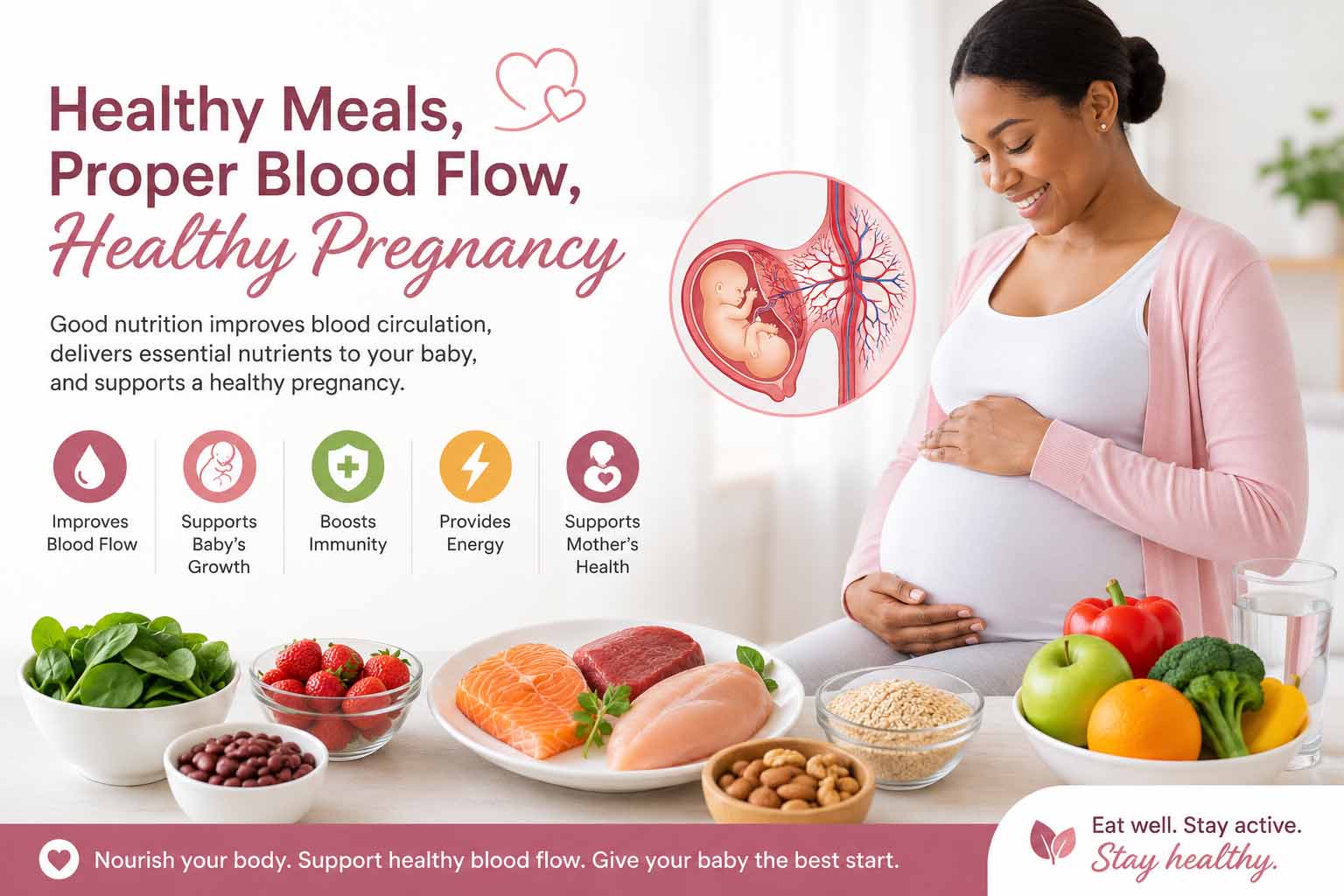
The Relationship Between Healthy Meals, Proper Blood Flow, and Pregnancy
Learn how healthy meals improve blood circulation during pregnancy, supporting your baby's growth, maternal health,…

March 16, 2026
From Survivor to Entrepreneur: Empowerment Stories of Women in Nigeria
women empowerment stories Nigeria, VVF survivors empowerment, skills training for women, women entrepreneurship Nigeria

February 21, 2026
The Role of Skilled Birth Attendance in Preventing Vesicovaginal Fistula (VVF)
Skilled birth attendance plays a critical role in preventing Vesicovaginal Fistula (VVF) by ensuring safe…