Introduction
VVF in Nigeria is more than just a medical condition — it is a deeply rooted social, cultural, and public health crisis. Vesicovaginal Fistula (VVF) is an abnormal opening between the bladder and the vagina that leads to continuous leakage of urine. In Nigeria, thousands of women, especially in rural communities, live with this condition in silence due to stigma, poverty, and limited access to healthcare. Despite decades of advocacy, the problem persists, affecting women’s dignity, health, and ability to live fulfilling lives.
Understanding VVF in Nigeria
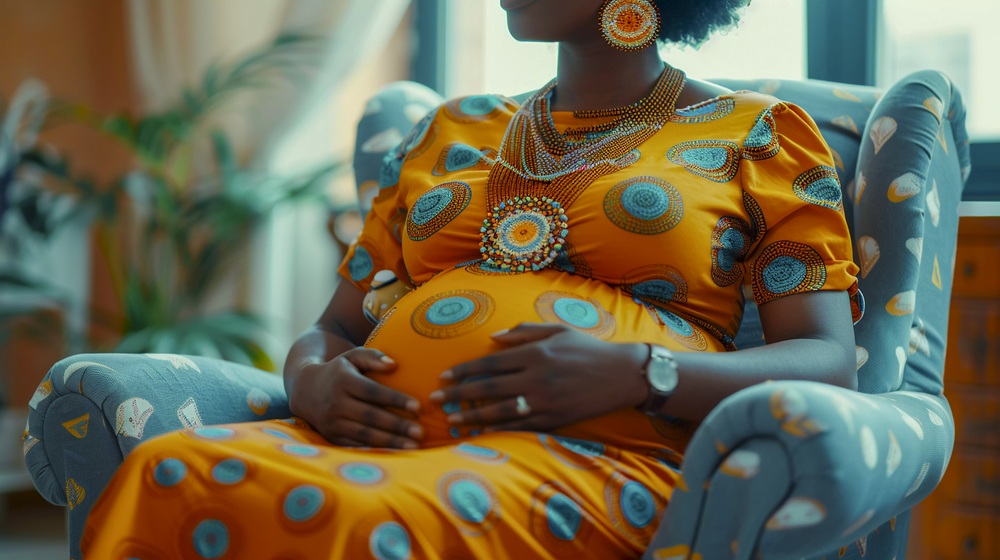
VVF occurs mostly as a result of prolonged and obstructed labor without timely medical intervention. Other causes include early child marriage, harmful traditional practices, and untreated childbirth injuries. Nigeria has one of the highest rates of VVF in the world, with thousands of new cases reported each year. Many victims are teenage girls whose bodies are not fully developed for childbirth, making them more vulnerable.
The Hidden Nature of the Crisis
The term “hidden crisis” is used because VVF in Nigeria is underreported and often ignored in mainstream health discussions. Many women suffer in isolation, afraid of discrimination. Some are abandoned by their families and communities because of the constant smell and inability to control urine flow. Without proper medical care, the condition can last for years or even a lifetime.
Impacts on Women’s Lives
The effects of VVF in Nigeria go far beyond physical health:
Emotional Trauma: Victims face shame, rejection, and depression.
Economic Disadvantage: Many women lose their livelihoods due to stigma.
Social Isolation: Victims are often excluded from community gatherings.
Marital Breakdown: The condition often leads to divorce or abandonment.
Current Efforts and Gaps
While there are NGOs and medical outreach programs working to repair VVF, access remains limited. Rural women are disproportionately affected because fistula repair centers are often located in urban areas. The high cost of surgery, combined with poor awareness, worsens the problem.
The Way Forward
Addressing VVF in Nigeria requires:
Increased Awareness Campaigns in rural and urban areas.
Free and Accessible Medical Treatment for victims.
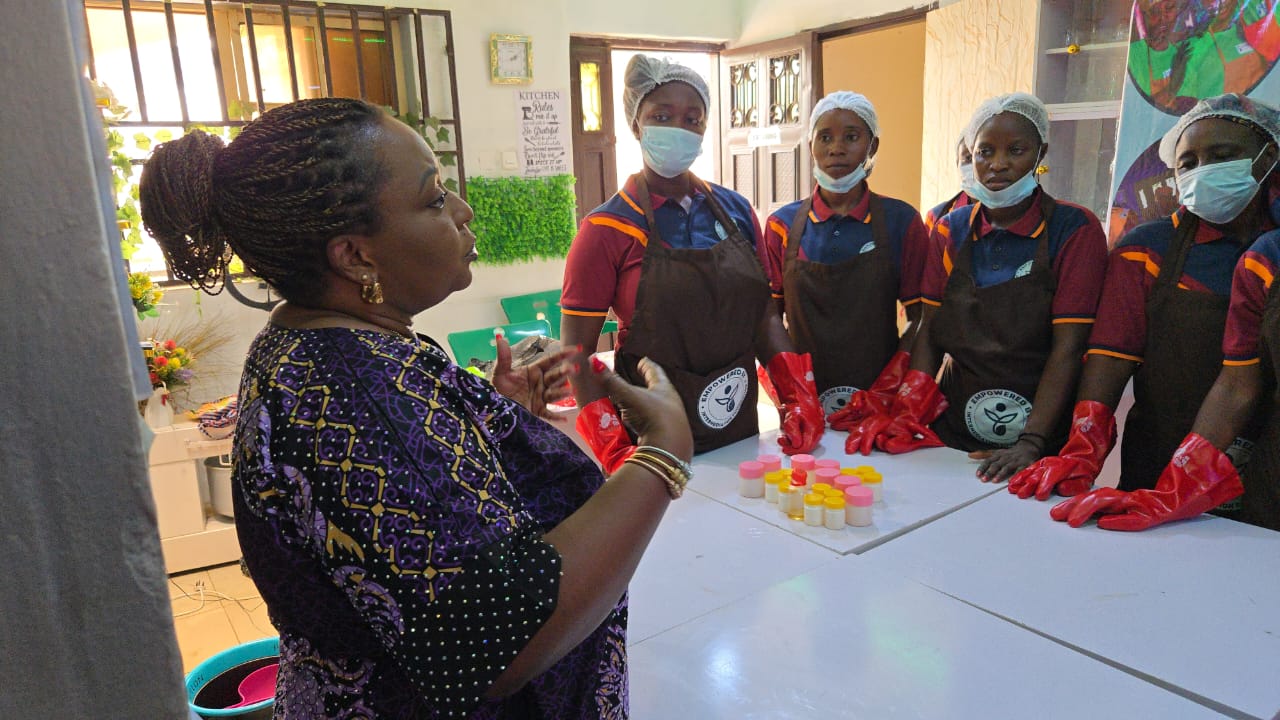
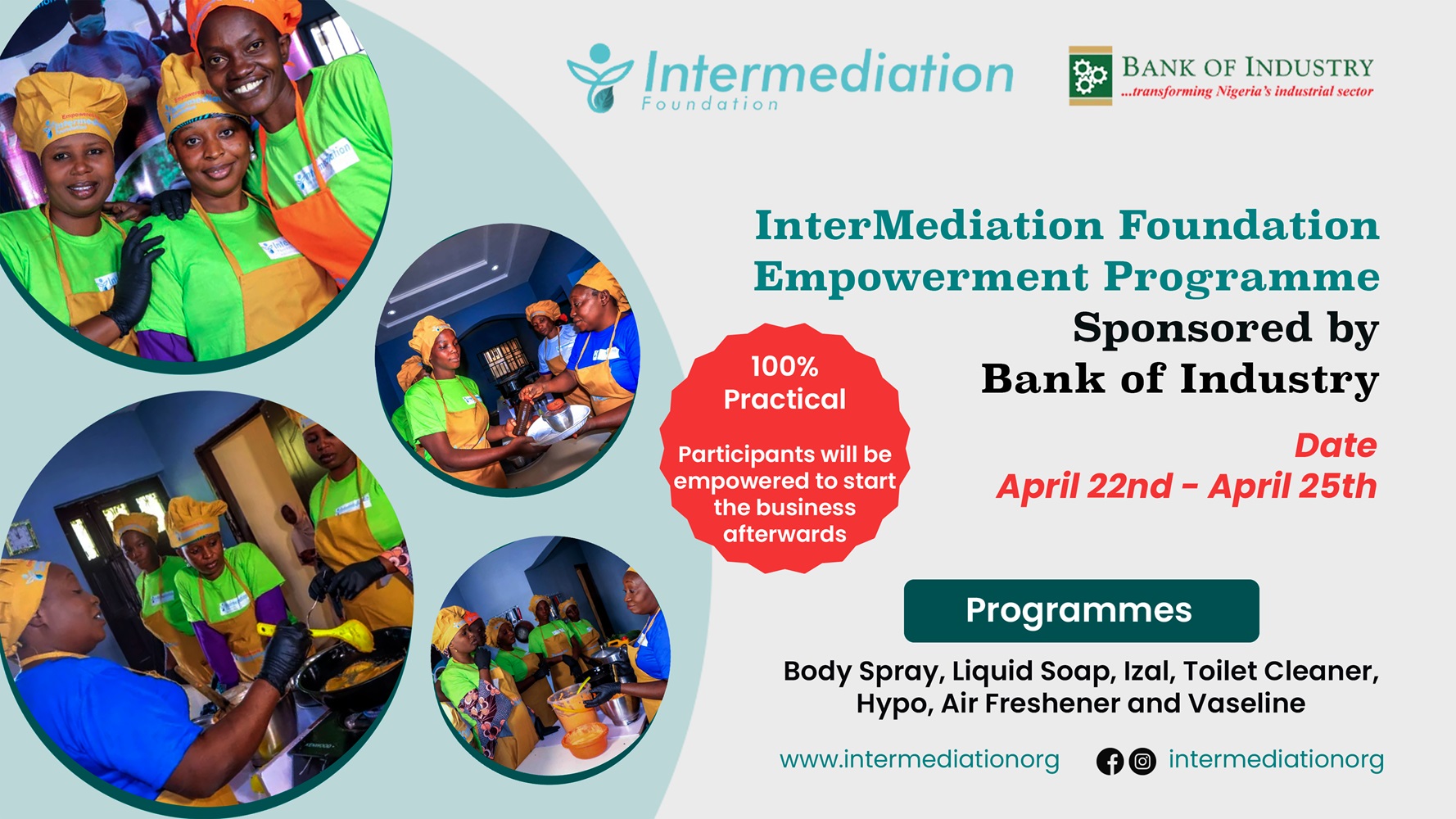
Empowerment Programs to help survivors rebuild their lives.
Strict Laws against early marriage and harmful practices.
FAQs
1. What is VVF?
VVF (Vesicovaginal Fistula) is an abnormal opening between the bladder and vagina, leading to continuous leakage of urine.
2. Can VVF be treated?
Yes. Surgical repair is highly effective when performed by skilled professionals.
3. How can VVF be prevented?
Prevention includes delaying childbirth until physical maturity, ensuring skilled birth attendance, and avoiding prolonged labor without medical care.
Conclusion
VVF in Nigeria is a preventable and treatable condition, yet it continues to destroy lives due to neglect and societal silence. By raising awareness, improving healthcare access, and supporting victims, Nigeria can put an end to this hidden crisis. The time for action is now.