Introduction
Thousands of Nigerian women live in silence, suffering from Vesicovaginal Fistula (VVF)—a condition that leaves them physically, emotionally, and socially devastated. Despite the pain, VVF awareness remains dangerously low. It’s time to change the narrative and educate communities about what VVF is, how it happens, and how we can end it.
What Is VVF?
VVF, or Vesicovaginal Fistula, is a hole between the bladder and the vagina caused by prolonged obstructed labour, usually when a woman delivers without access to timely medical intervention. This opening leads to constant and uncontrollable leakage of urine, which often results in humiliation and rejection.
VVF Awareness in Nigeria: Why It Matters
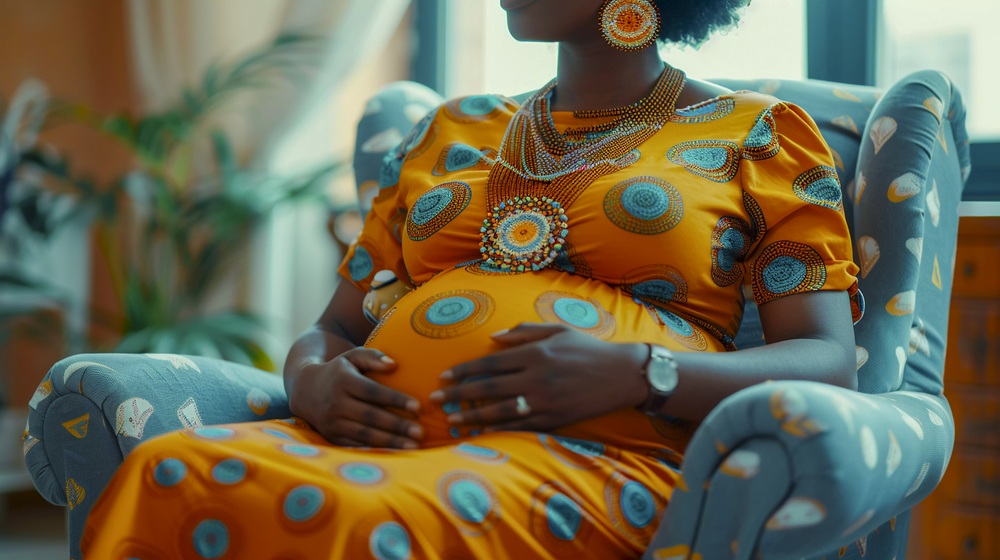
Raising VVF awareness is crucial in Nigeria because it helps prevent the condition and supports those already affected. Most women living with VVF do not know that it is treatable, and many suffer in shame, believing they are cursed or being punished. Public education, medical access, and advocacy can save lives and restore dignity.
Common Causes of VVF in Nigeria
- Prolonged or obstructed labour without skilled birth attendants
- Child marriage and early pregnancy
- Poverty and poor maternal health infrastructure
- Cultural practices that delay or prevent access to hospitals
- Lack of access to emergency C-sections
Symptoms of Vesicovaginal Fistula
- Continuous leakage of urine from the vagina
- Offensive odour and chronic discharge
- Frequent skin infections or sores
- Emotional trauma and social isolation
- In some cases, infertility
The Social and Emotional Impact
VVF in Nigeria often leads to social stigma. Affected women may be divorced, abandoned, or excluded from their communities. Many become depressed or even suicidal. This is why VVF awareness and empathy-driven education must be promoted across all levels of society.
Treatment for Vesicovaginal Fistula
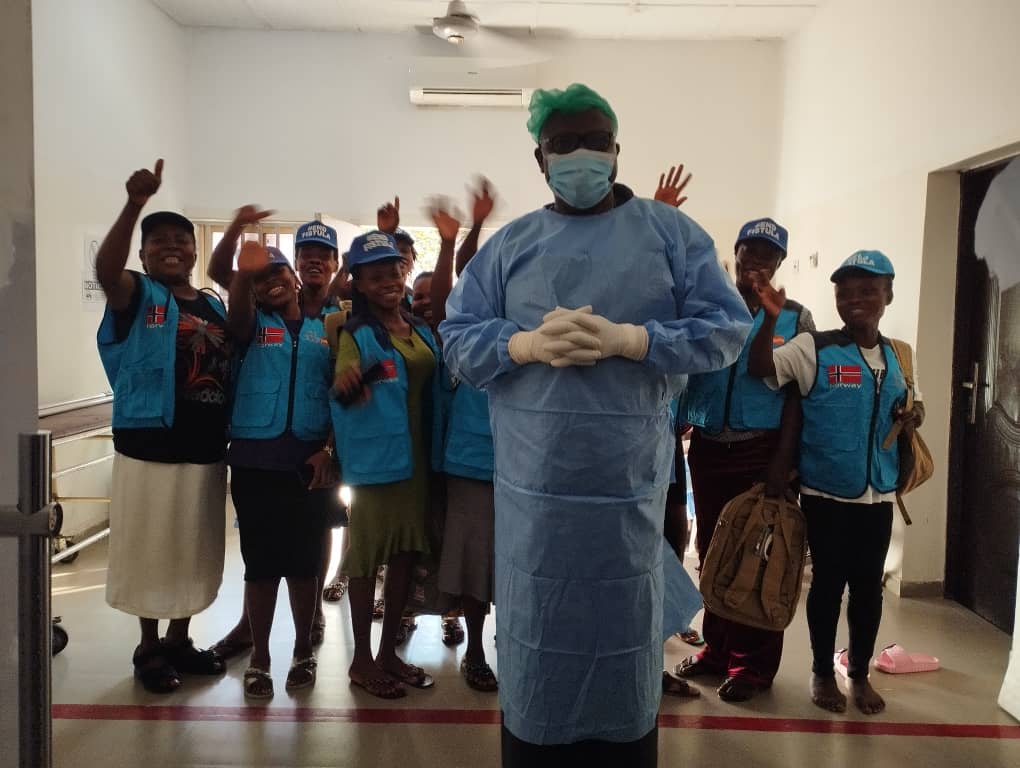
VVF is treatable through corrective surgery performed by trained surgeons. After surgery, patients need proper care, counselling, and in some cases, physical therapy. In Nigeria, organizations like Intermediation Foundation are offering free and low-cost treatments for Vesicovaginal Fistula patients.
What You Can Do
- Share this post to promote VVF awareness
- Donate to support treatment programs
- Educate girls and women about reproductive health
- Encourage policy-makers to invest in maternal healthcare
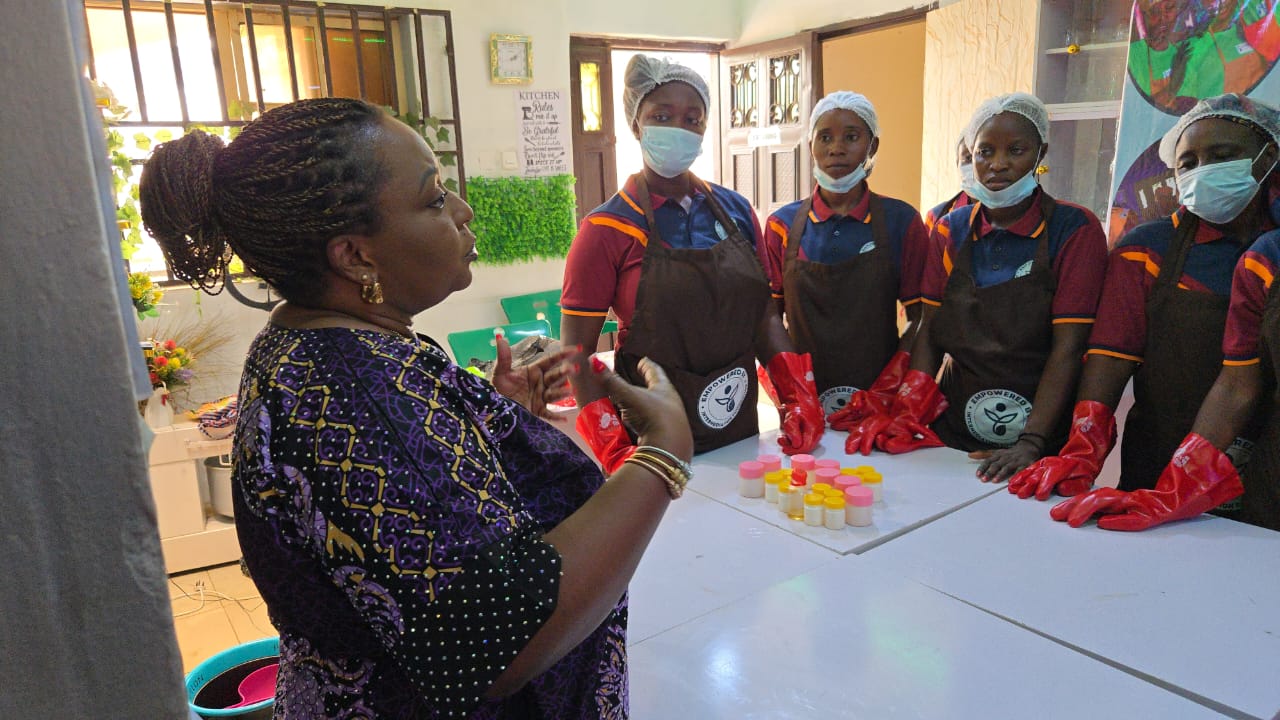
- Volunteer with NGOs helping VVF survivors
Conclusion
VVF is not just a health problem; it’s a women’s rights issue. The more we promote VVF awareness in Nigeria, the faster we can eradicate this preventable condition. With education, support, and access to treatment, women suffering from Vesicovaginal Fistula can be healed, empowered, and restored.
Let’s break the silence. Let’s save lives.