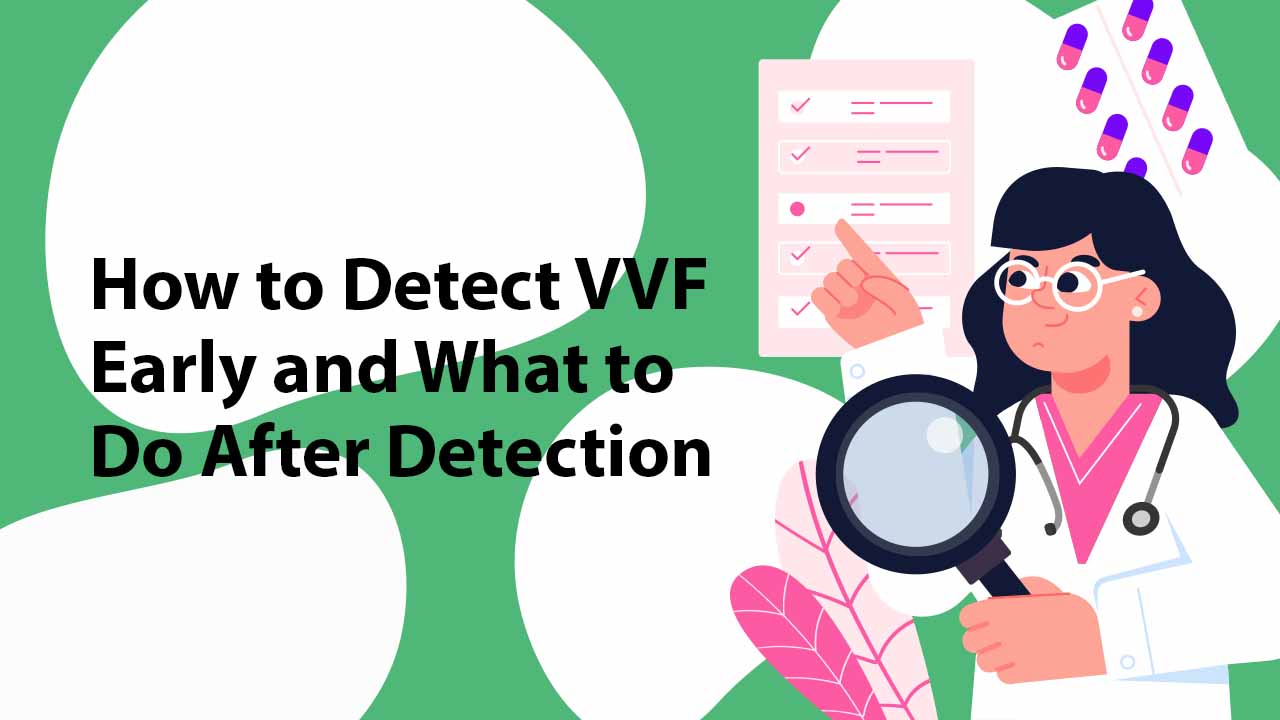
Vesicovaginal Fistula (VVF) is a serious but treatable medical condition that affects thousands of women, especially in low-resource settings. Early detection and prompt action can prevent prolonged suffering, social isolation, and health complications.
How to Detect VVF Early
Early detection of VVF starts with awareness of the symptoms. Common early signs include:
- Continuous leakage of urine through the vagina, especially after childbirth or pelvic surgery
- Persistent wetness or foul-smelling discharge
- Recurrent urinary tract infections
- Skin irritation or sores around the genital area
- Loss of bladder control that does not improve after delivery
VVF often develops after prolonged or obstructed labour, especially when emergency obstetric care is delayed. Any woman experiencing constant urine leakage after childbirth should seek medical attention immediately.
What to Do After Detection
If VVF is suspected or diagnosed, the following steps are crucial:
- Seek medical care immediately
Visit a qualified health facility or specialist hospital for confirmation and guidance. - Avoid self-medication or isolation
VVF is a medical condition, not a curse or punishment. Early treatment improves outcomes. - Get referred for repair surgery
Many VVF cases can be successfully treated through free or subsidized surgical repair programs, often supported by NGOs and government health initiatives. - Access psychosocial support
Emotional support and counseling help affected women rebuild confidence and reintegrate into society. - Follow post-repair care instructions
Proper recovery, follow-up visits, and health education reduce the risk of recurrence.
Final Note
VVF is preventable, detectable, and treatable. Early action saves dignity, health, and lives. By spreading awareness and encouraging timely medical care, communities can help end VVF.
Post a comment
Related Posts
August 20, 2026
World Mosquito Day: Protecting the Health of the Women, Girls and Communities We Serve
World Mosquito Day is more than a health observance for IMFN. Discover how mosquito prevention…
June 22, 2026
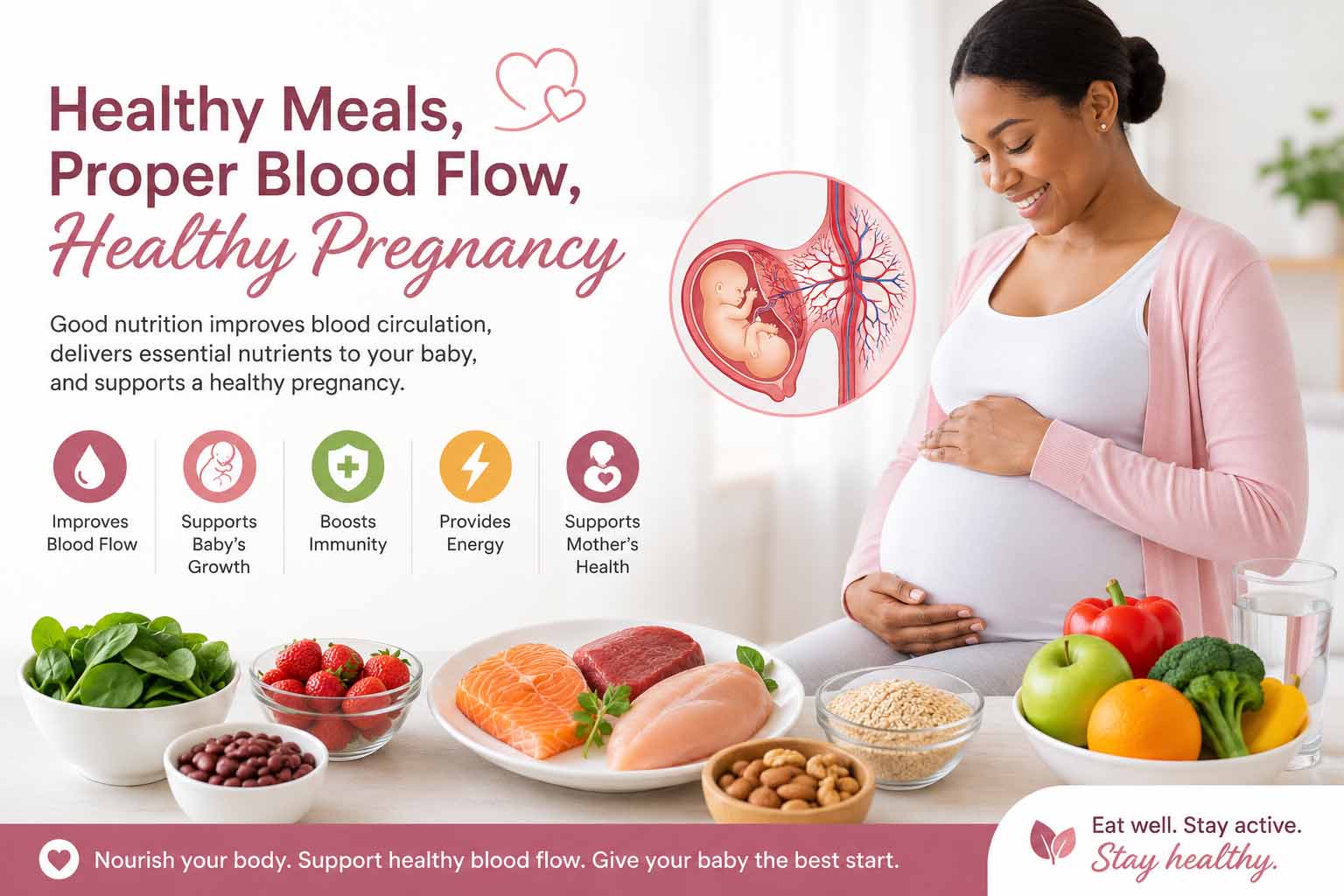
The Relationship Between Healthy Meals, Proper Blood Flow, and Pregnancy
Learn how healthy meals improve blood circulation during pregnancy, supporting your baby's growth, maternal health,…
June 13, 2026
The Importance of Antenatal Care in Preventing VVF
Learn how antenatal care helps prevent VVF in Nigeria through early risk detection, health education,…

March 16, 2026
From Survivor to Entrepreneur: Empowerment Stories of Women in Nigeria
women empowerment stories Nigeria, VVF survivors empowerment, skills training for women, women entrepreneurship Nigeria